
Digital Loot as Art: Why In-Game Items Are the New Collectibles
Rare objects have always carried value, whether carved from stone, painted on canvas, or minted in metal. Today, some of the most sought-after collectibles exist only on a screen, shaped by code, chance, and player devotion.
Few games show this shift better than Diablo II, where item rarity and visual identity shaped how players viewed value long before digital ownership became a common idea. Items dropped by monsters felt earned, personal, and meaningful. Over time, entire communities formed around trading, preserving, and showcasing Diablo 2 items, turning simple pixels into symbols of taste and status.
When Game Design Feels Like Gallery Curation
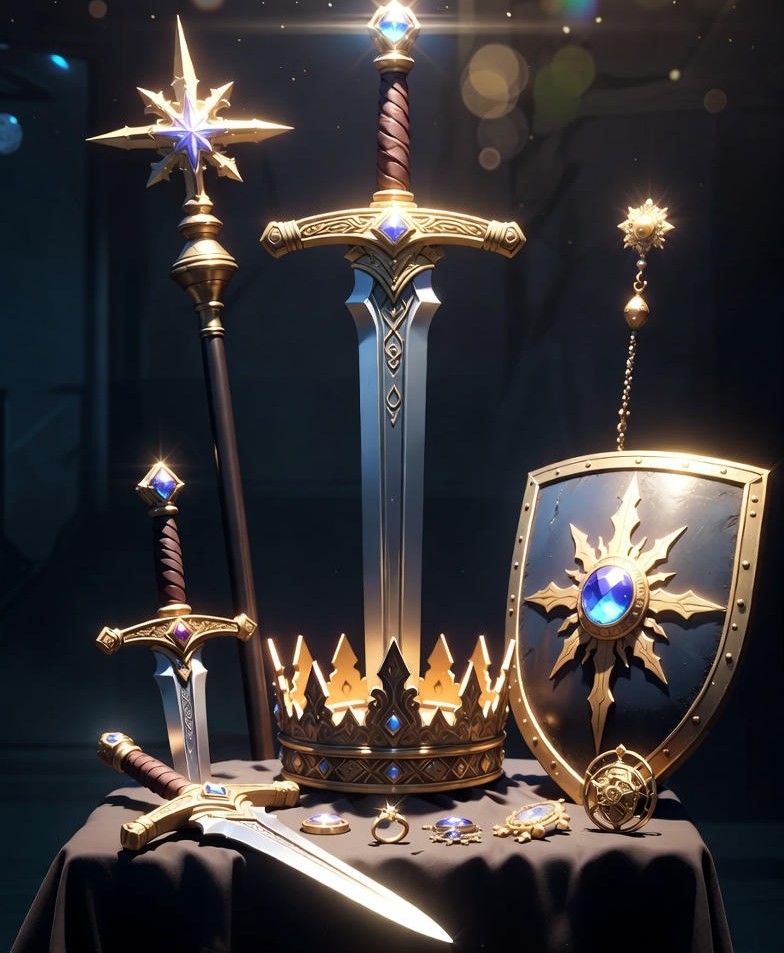
Traditional art relies on scarcity, story, and craftsmanship. Diablo II followed the same logic, even if it never used those words. Unique items had fixed names, lore, and appearances. Set items hinted at larger narratives. Ultra-rare drops felt mythical because many players never saw them.
This sense of rarity mirrors limited-edition prints or signed works. The lower the drop rate, the higher the perceived value. Players could describe an item’s stats the way collectors describe brushstrokes or materials. Over time, knowledge itself became part of the culture.
Ownership Beyond the Physical World
Art collectors often speak about ownership as emotional rather than practical. The same idea applies to digital loot. Owning a rare item does not change daily life, but it changes how a player feels inside the game world.
That emotional ownership is reinforced by time investment. A rare drop represents hours of effort, risk, and persistence. This mirrors how collectors value the journey of acquiring a piece, not just the object itself.
Marketplaces as Modern Auction Houses
Every art movement needs a place to trade, discuss, and preserve value. In gaming, marketplaces fill that role. Platforms like YesGamers give structure to what would otherwise be scattered player-to-player trades.
By listing items, tracking demand, and setting clear expectations, these platforms transform digital loot into recognized assets. Screenshots replace display cases. Item descriptions replace gallery labels. Trust systems replace appraisers.
Why Visual Design Still Matters
Art is visual first, and Diablo II understood this early. Items were easy to recognize even at low resolution. Colors, shapes, and icons carried meaning. A glance could tell you whether something was common or special.
This visual clarity helps explain why certain Diablo 2 items remain iconic decades later. They are instantly recognizable to those who played the game. That shared recognition creates cultural memory, the same way famous artworks do.
Nostalgia as a Form of Value
Nostalgia plays a major role in modern collecting. Vinyl records, retro toys, and old posters all benefit from emotional memory. Digital items follow the same pattern.
For many players, Diablo II represents a specific time in gaming history. Trading items brings back late-night sessions, LAN parties, and early online communities. That emotional pull increases perceived worth, even when no physical object exists.
Digital Artistry Without a Frame
Unlike traditional art, in-game items were not created to hang on walls. They were meant to be used. That functional design adds another layer of meaning.
An item’s value comes from how it performs, how it looks, and how rare it is. This blend of utility and aesthetics sets digital collectibles apart. They are living art pieces, activated through play.
Explore more art in gaming. Read also: The Impact of Art in League of Legends – Enhancing Gameplay through Visual Masterpieces.
The Future of Collecting Is Already Here
As games continue to evolve, the line between art and item will keep fading. Players already treat rare loot with the care once reserved for physical collectibles.
The legacy of Diablo 2 items shows that value does not require physical form. It requires meaning, scarcity, and community recognition. In that sense, digital loot has already earned its place alongside traditional art collectibles.

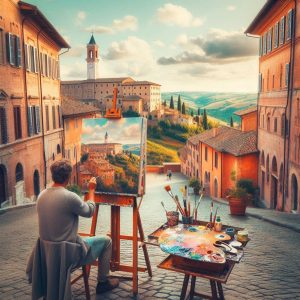 Italy is one of the most inspiring places for artists around the world. From the Renaissance to contemporary art scenes, the country offers endless opportunities for creatives. For many, relocating with the help from whywaititaly.com to Italy is not just about a change of scenery but a chance to live where art and history are part of everyday life.
 Historically, these were associated with crystal and elaborate patterns. While pushing the envelope of shape and texture, modern designers use varied materials, including metal, glass, wood, and even recycled materials. This change captures more general artistic movements in which creativity and experimentation take front stage. Consider simple designs mirroring modern architectural ideas by using geometric shapes and clean lines. Alternatively, they take organic shapes inspired by nature, which reflect the flux of modern sculpture.
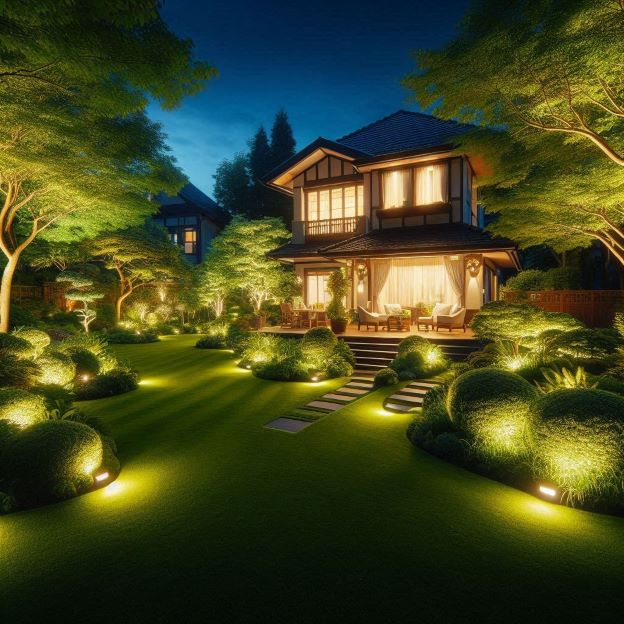
 The best towing service San Jose drivers call to provide assistance in case of roadside emergencies are those well reputed to be efficient and at the same time eco-friendly. A good reputation includes having “climate change” awareness, by not using outdated tow trucks. In San Jose and across the entire state of California, there’s a concerted effort to eliminate transport-related greenhouse gas (GHG) emissions.
 In light of the massive traffic and transport activities that take place daily in San Jose’s highways, roads and bridges, the city has enlisted local
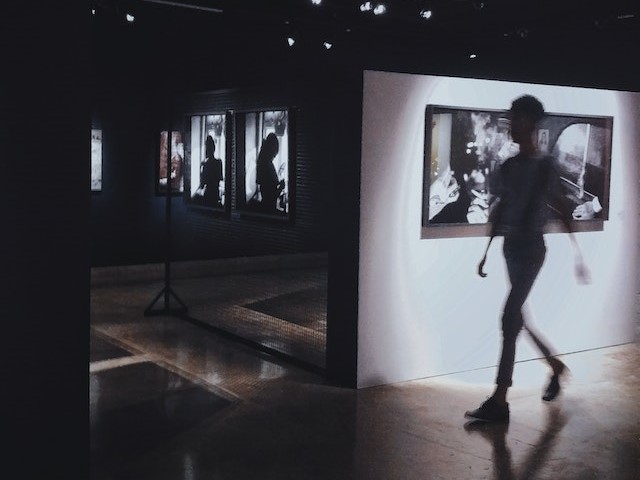


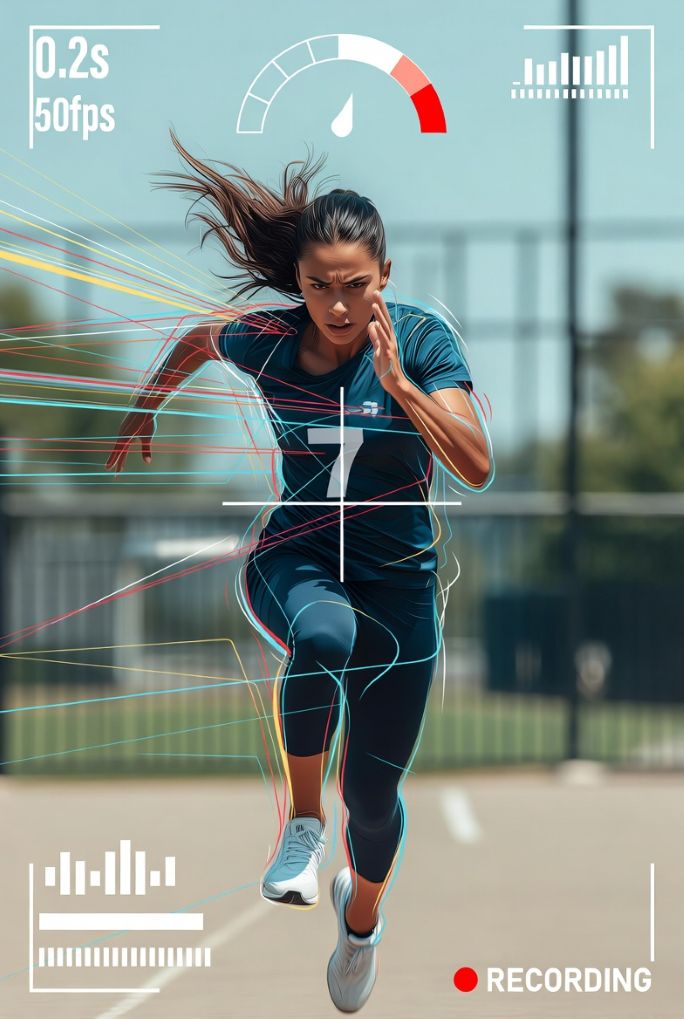 Camera placement shapes how audiences emotionally experience sports. Wide aerial shots establish scale, sideline tracking cameras capture speed, and tight close-ups reveal tension in an athlete’s expression.
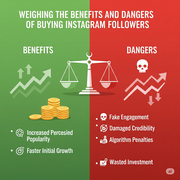 Use shopping services only a little: Low-volume boosts should only be thought about at launch or first contact.
 Creativity provides a safe space for self-expression, allowing individuals to process emotions that may be difficult to articulate. Psychologists have found that engaging in artistic activities stimulates the brain’s reward system, releasing dopamine, a neurotransmitter that promotes feelings of happiness and relaxation.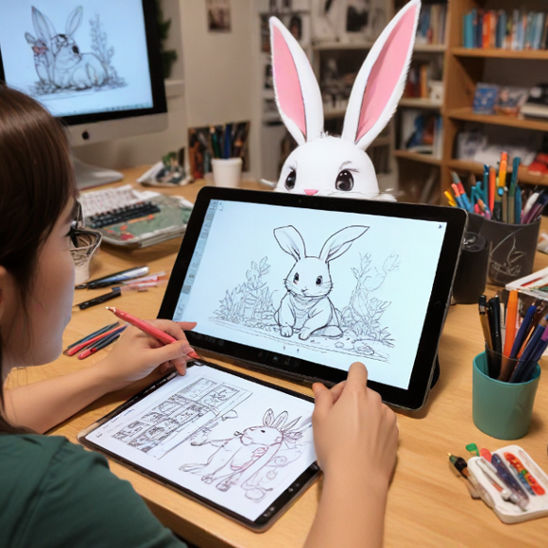




 Showing appreciation and thankfulness has a great effect on our mental and; physical health. It changes our outlook from the lack of something to having things that we can be grateful for, resulting in improved awareness of the positive elements in life. One way to cultivate gratitude is through creating art.
 The arrival of the Christians and the conversion of much of France had a massive impact on French life. Not only were many aspects of

 This means individuals with hidden artistic skills should not short-sell their ability to create designs, arrangements, animations or recreate images or models either manually, digitally or both.
 Although the health crisis has eased down, important personalities and celebrities prefer retaining the services of a personal makeup artist, instead of relying on their favorite beauty salon to send just anyone.
 The advantage of being a web designers is that one can work as a freelancer and at the same time, as a regular employee of any company. Doing so gives web designers extra opportunities to augment their monthly income from online sources.
 Every single thing you do is fun for babies. If you play peek-a-boo with your baby, they learn about the world around them even when they don’t pay attention. When you play with babies, you help them improve their cognitive and social skills, which are crucial as they get older.