
From Screens to Canvases: The Visual Art of Live Sports Streaming on Royal TV
Live sports broadcasts reach millions of viewers every day, blending technology, storytelling, and visual creativity into a single experience. What once served as simple event coverage has evolved into a carefully designed visual performance. Modern sports streaming relies on cinematic camera work, digital graphics, and precise editing choices that transform athletic competition into something closer to moving art than traditional television.
Digital platforms have accelerated this evolution by giving broadcasters more creative freedom and sharper tools. Streaming environments allow flexible layouts, dynamic overlays, and immersive viewing styles that feel closer to interactive media than classic broadcasts. One example is Royal TV (로얄티비), where live sports presentation reflects how online platforms merge entertainment design with real-time competition. The visual language used in these broadcasts mirrors trends seen across gaming interfaces, social media visuals, and modern graphic design.
The Camera as an Artistic Tool
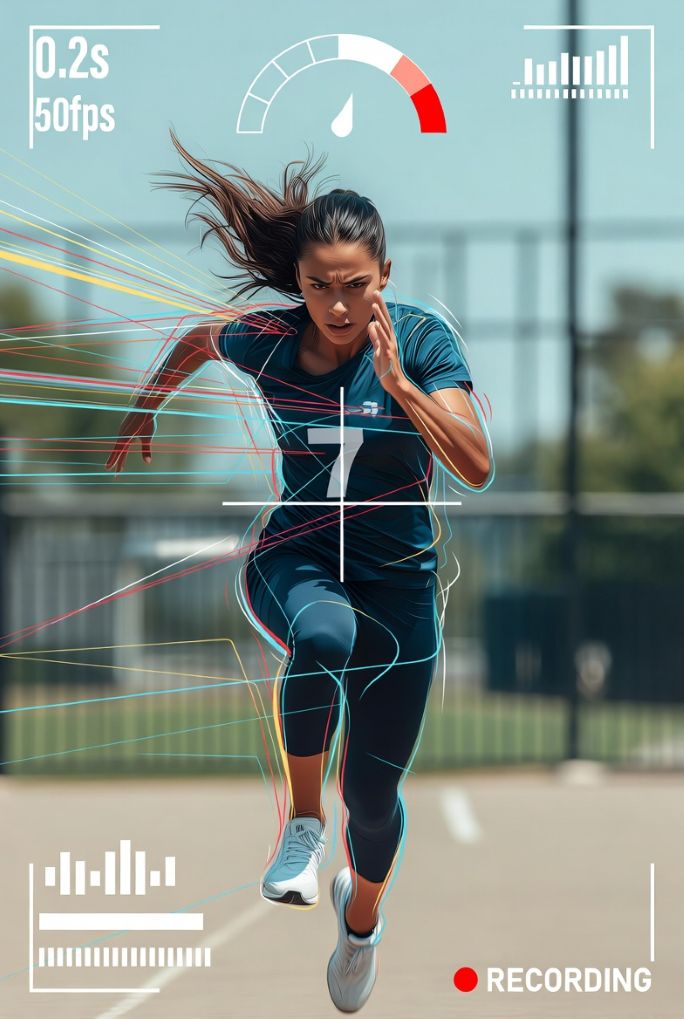 Camera placement shapes how audiences emotionally experience sports. Wide aerial shots establish scale, sideline tracking cameras capture speed, and tight close-ups reveal tension in an athlete’s expression.
Directors treat each angle like a brushstroke, selecting perspectives that guide viewer attention.
High-frame-rate cameras have changed the rhythm of sports storytelling. Slow-motion replays allow viewers to see details invisible to the naked eye, a spinning ball, a foot barely touching the line, or the instant of impact during a decisive play. These moments resemble visual analysis in cinema, where timing and framing communicate meaning beyond words.
Motion capture technology further enhances storytelling. Sensors and tracking systems convert player movement into data-driven visuals, enabling animated trails, tactical diagrams, and predictive graphics. Viewers no longer watch events passively. They observe patterns, strategy, and motion as visual narratives unfolding in real time.
Graphic Overlays as Modern Design Language
Scoreboards and statistics were once static elements placed at screen corners. Today they function as core design features. Typography choices, color palettes, and animation timing influence how energetic or calm a broadcast feels.
Design teams borrow inspiration from user interface design and esports broadcasts. Clean fonts improve readability, while subtle animations maintain momentum without distracting from gameplay. Transparent panels and layered graphics create depth, making broadcasts feel spatial rather than flat.
Modern sports broadcasts borrow ideas from many creative industries. Designers study architecture, automotive styling, and digital illustration when shaping on-screen visuals. Much like the art of wheel design and visual aesthetics, where engineering decisions influence visual identity, sports streaming graphics balance precision with artistic expression.
Every scoreboard animation, motion transition, and replay frame is carefully constructed to feel smooth and intentional. The result is a broadcast experience that looks engineered yet feels expressive, turning live sports into a moving gallery of digital craftsmanship.
Slow Motion and the Beauty of Detail
Slow-motion replay represents one of the strongest connections between sports broadcasting and visual art. By stretching time, broadcasters reveal elegance hidden within speed. A basketball arc resembles choreography. A football tackle becomes a study of motion and balance.
Editors carefully select replay timing to create emotional impact. Showing a moment immediately builds excitement, while delayed replays create suspense. The sequence feels similar to film editing techniques used in documentaries and action cinema.
These artistic decisions help viewers appreciate athletic performance beyond competition. Movement becomes form, rhythm becomes narrative, and viewers begin to notice visual symmetry within physical effort.
Broadcast Design and Digital Aesthetics
Modern sports streaming reflects broader digital culture. Interfaces resemble apps, graphics echo gaming dashboards, and transitions mirror social media editing styles. Platforms such as Royal TV demonstrate how sports broadcasting adapts to audiences raised in visually dense online environments.
Color grading, lighting balance, and animation pacing contribute to brand identity. Each broadcast develops a recognizable visual tone, much like a magazine or film studio establishes a signature style. Designers collaborate with producers, engineers, and commentators to ensure visuals support storytelling rather than overwhelm it.
This fusion of design disciplines has influenced creative industries outside sports. Motion graphics used during live matches inspire advertising campaigns, event presentations, and online video production. Sports streaming now acts as a laboratory where visual trends are tested before spreading across digital media.
The Viewer as Part of the Visual Experience
Interactive features further blur the line between viewer and artwork. Real-time statistics, selectable camera angles, and live chat overlays transform audiences into participants. The screen becomes a shared canvas shaped by both creators and viewers.
As streaming technology improves, personalization grows more important. Algorithms can highlight favorite teams or players, changing graphic emphasis dynamically. This customization introduces a new artistic challenge, designing visuals that remain cohesive while adapting to individual viewing preferences.
A New Era of Sports as Visual Culture
Sports broadcasts now operate at the intersection of athletics, technology, and design. Every camera movement, replay sequence, and graphic transition contributes to a larger visual composition. What audiences see is carefully crafted storytelling built from motion and data.
Royal TV reflects this transformation by presenting live sports through a distinctly digital aesthetic, where streaming technology supports creativity as much as coverage. As platforms continue to evolve, live sports will increasingly influence how designers approach motion graphics, interface layouts, and visual storytelling across media.
The future of sports broadcasting points toward deeper artistic integration. Screens will continue to function like canvases, shaped by innovation and creative vision. Viewers may tune in for competition, yet they stay for the visual experience, an evolving form of art painted in real time through platforms like Royal TV.